
Sustainable plantation management is essential for achieving consistent productivity, maintaining soil health, and ensuring long-term profitability. As agricultural practices continue to evolve, plantation owners are increasingly adopting methods that balance economic growth with environmental responsibility.
A successful plantation begins with proper planning. Factors such as soil quality, climate conditions, crop selection, and water availability must be carefully assessed before cultivation begins. By understanding these elements, plantation owners can make informed decisions that support healthy crop growth and reduce operational risks.
One of the key aspects of sustainable plantation management is maintaining soil fertility. Continuous cultivation without proper nutrient replenishment can lead to declining yields and poor crop performance. Regular soil testing, organic matter incorporation, and balanced nutrient management programs help preserve soil structure and fertility for future harvests.
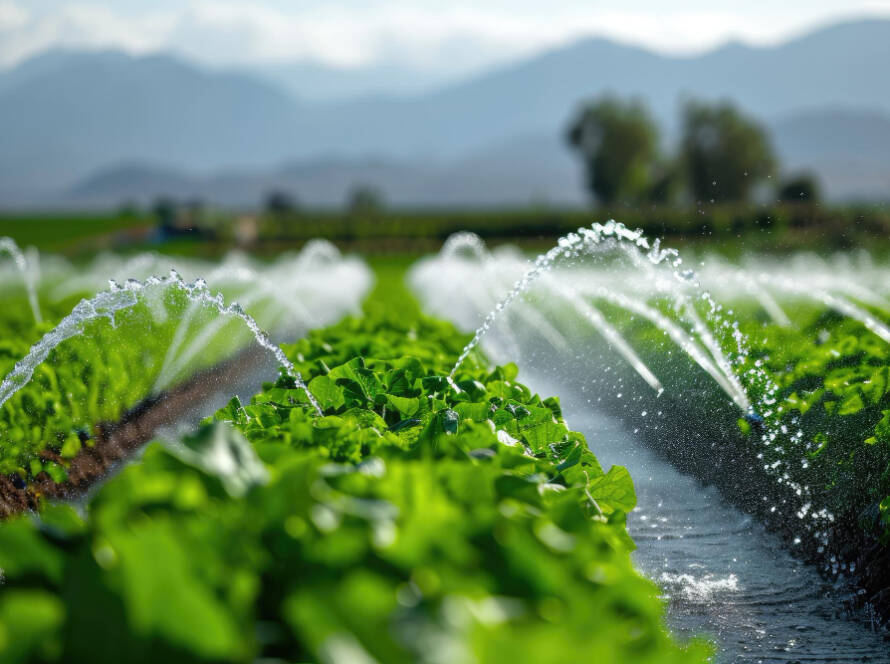
Water management also plays a crucial role in plantation success. Efficient irrigation systems such as drip irrigation and automated hydration solutions help reduce water wastage while ensuring crops receive adequate moisture. These systems improve plant health, increase productivity, and contribute to environmental conservation.
Integrated pest and disease management is another important component of sustainable agriculture. By combining preventive measures, biological controls, and responsible crop protection practices, plantation owners can minimize crop losses while reducing dependence on chemical inputs.
Sustainable plantation management is not only beneficial for current operations but also for future generations. By adopting responsible agricultural practices, growers can build resilient plantations that deliver high-quality produce, protect natural resources, and create lasting economic value.